North Macedonia is a small land-locked country, situated above Greece, between Albania and Bulgaria, and below Serbia. Once part of Yugoslavia, the country is often referred to as “Macedonia” by locals, but titled North Macedonia officially due to political pressure from Greece.
After naming conflicts with Greece were resolved through the Prespa Agreement in 2018, North Macedonia was added to NATO and is currently in conversations on joining the EU. At the time of writing, North Macedonia has not joined the EU and is not part of the 90-day free Schengen agreement (appliable to U.S. citizens and select other nationalities), meaning it is the perfect stop if you’re waiting out the 90 days in/90 days out rule.
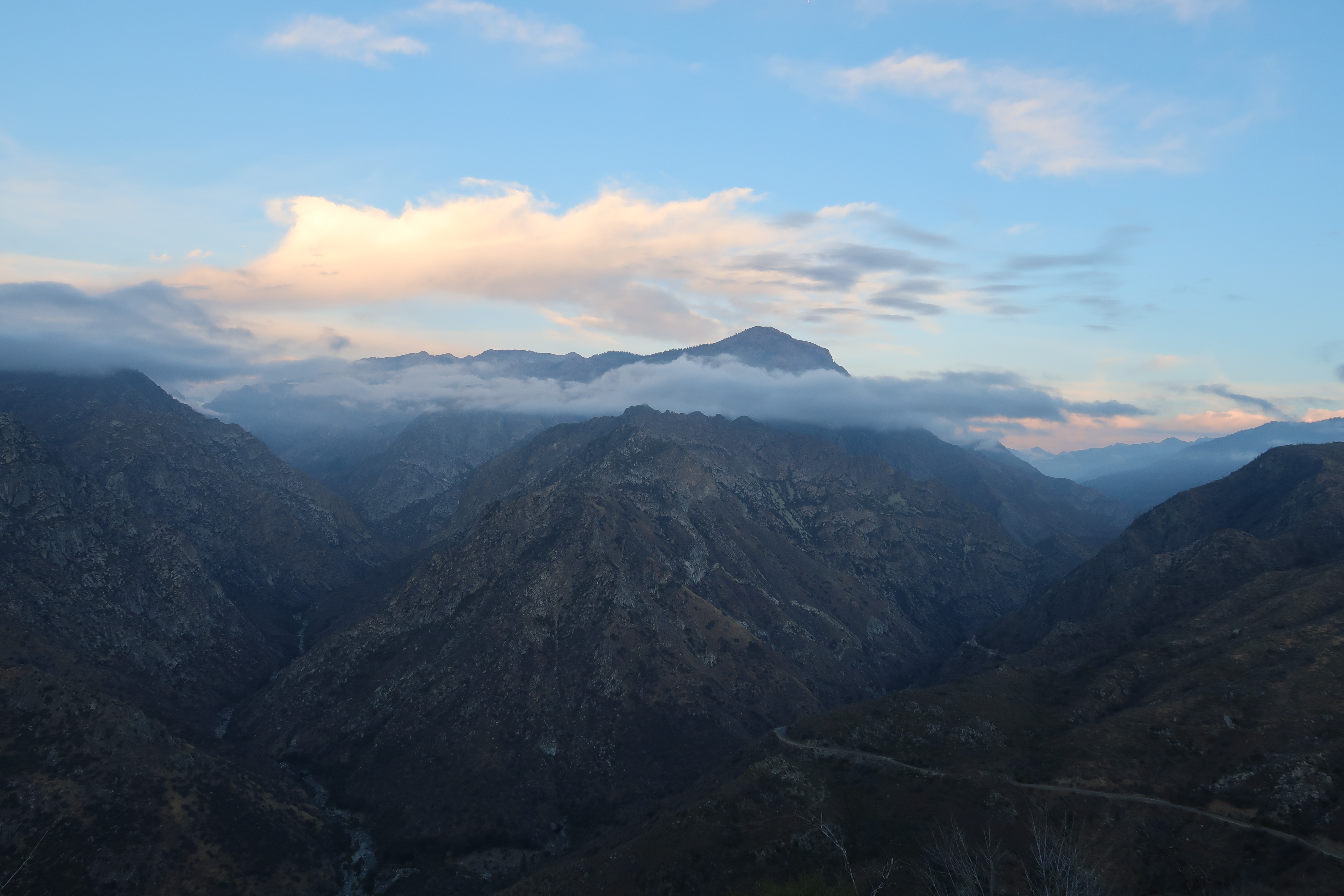
Naturally, the political intrigue, as interesting as it is, is not why I keep coming back to North Macedonia. Compared to much of Western Europe, North Macedonia feels practically untouched – rife with rugged landscapes, ancient ruins, natural beauties, and Ottoman-era architecture.

I like ending my trips in North Macedonia, to take a step back and relax at Lake Ohrid or stroll through the old market in Skopje. Much like in Montenegro, North Macedonia, for me, is a country where I can take a moment and enjoy what’s around me, without the frantic energy of a million moving people and a thousand things to do. Since I tend to take in North Macedonia slowly, there are still places I aim to visit in the country, but I already have completely biased favorites:
3. Bitola

My one true weakness when picking my next destination is, and likely always will be, Roman mosaics. I can pass on Roman ruins – after a while, one Roman forum ruin starts to look the seventeen others I’ve seen in the same month. But mosaics? I have, on more than one occasion, gone out of my way to see well-preserved Roman mosaics.
And the mosaics in Bitola are pretty high on my all-time-favorites list.

I’ll be upfront – I only visited Bitola for the mosaics. The city itself is the third largest in the country, but still rather small, perfectly situated for a stop on the way between Thessaloniki, Greece and Skopje, North Macedonia. I stopped in Bitola twice, and both times, I saw only a handful of other tourists.
Both times, I visited to see Heraclea Lyncestis, a Greek colony turned Roman city, that today is known for its colorful mosaics and well-preserved theater. The mosaics, the highlight of any visit to Heraclea Lyncestis, are covered during the off-season to help protect them from the elements – so I would recommend only coming during the summer, generally from late June to early September. If you come during the off-season, the site is still open, but you’ll miss half of the beauty of the ruins. I made the mistake the first time I visited, and while it’s not an expensive site to visit, the bus to Bitola is a bit of a hassle to do twice.
2. Skopje
I’ve lost count of the number of times I’ve been to Skopje by now. Partly because Skopje has decent flight options back to the U.S., when compared to the rest of the Balkans, but also because the city itself is fun to walk around!

The Old Market alone entertains me each time, exploring the old Ottoman architecture and stopping in some unique shops. I even have a favorite baklava shop that I always pick up treats from when I’m coming through Skopje.
If, for some reason, you manage to get tired of Ottoman architecture, you can cross the bridge and be overwhelmed by the abundance of statues in the more modern side of the city. Many of the statues are related to Alexander the Great, including the giant fountain of Alexander himself on his horse in the main square.

Skopje is fun to walk around in, but it is also well located for day trips, including the Matzka Canyon, a beautiful naturally formed canyon that locals love to visit on hot days for swimming and canoeing, or a hike up the Vodno Mountain to stand beside the Millenium Cross and look out over a panoramic view of Skopje and the surrounding valley.
1. Ohrid

Ohrid, on Lake Ohrid, was once called the “European Jerusalem”, for the abundance of churches dotted throughout the city. With a total of 365 churches, there are enough churches to visit one a day for a year!
The city also has ancient Roman ruins, Ottoman mosques, and a fortress from the First Bulgarian Empire. But the true highlight of the city is Lake Ohrid.
Lake Ohrid is listed as both a Cultural and Natural UNESCO World Heritage Site, for its unique freshwater flora and fauna, as well as Ohrid’s significant architectural and religious history. Lake Ohrid is also one of the oldest lakes in the world and one of the deepest lakes in Europe.

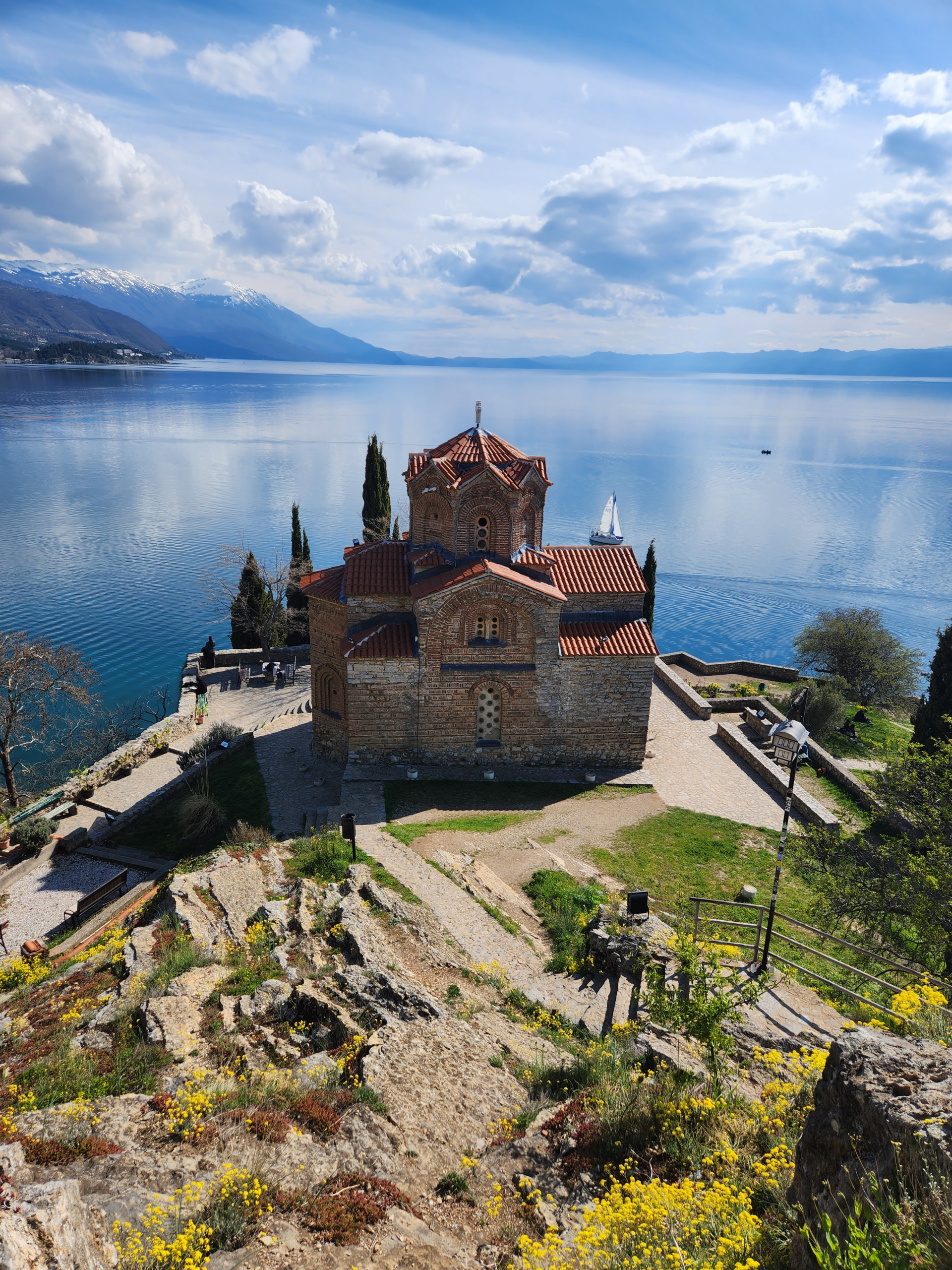
And while all those facts are fascinating and more than enough reason to visit Ohrid, I have been to Ohrid three times, each time for at least a week, and when I think about Ohrid, I don’t remember that it’s a UNESCO World Heritage Site or the truly ridiculous number of churches. I remember climbing up to the Church of St. John of Patmos, and looking out at the still water of Lake Ohrid, completely at peace.

Even if I’m not the only tourist running around Ohrid – as the city has a decent sized tourist population, especially in the summer months – it’s easy to find a place of relax and take in the beauty of the “Pearl of the Balkans”, whether it’s on a boat, on a rented paddleboard, at one of the few beaches in town, at one of the waterside restaurants, or overlooking the lake from the Church of St. John of Patmos.